
Recurrent Miscarriage and Pregnancy Loss: Chinese Medicine Support in Melbourne
Last updated 22 November 2026
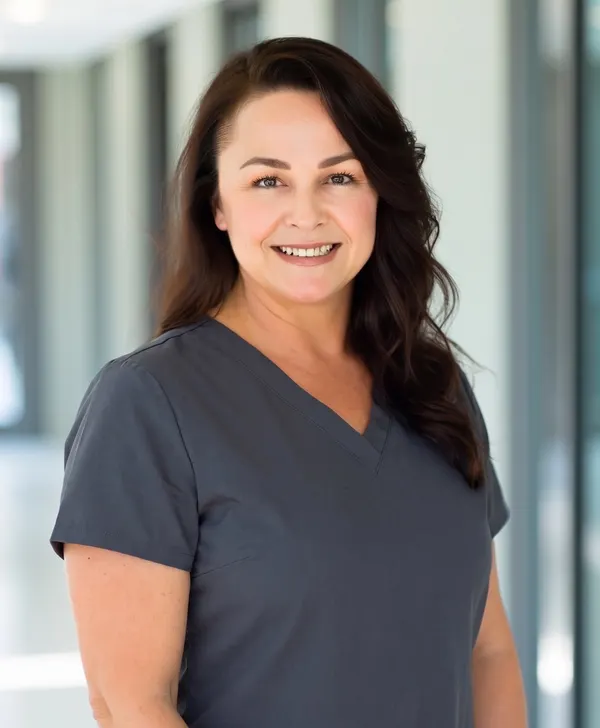
Losing a pregnancy once is painful, and losing several is exhausting in every way. After one or more early losses, women aged 35 to 50 trying to conceive again can see Dr Fiona Tassoni, a Doctor of Chinese Medicine (MASc, BHSc) who has 25 years in clinical practice. Care is offered alongside, and never instead of, the care of a GP or obstetrician.
A word on language
Dr Fiona prefers the term early pregnancy loss to miscarriage, because the word can suggest a mistake and add guilt and shame that do not belong to the person grieving. Dr Fiona describes early loss as common, and notes that most first trimester losses are linked to changes in the embryo itself.
Why investigation matters
Dr Fiona explains that when losses happen one after another, it is worth looking for contributing factors rather than leaving it at chance. The list Dr Fiona works through includes thyroid function and thyroid antibodies, clotting tendencies, autoimmune conditions, the shape of the uterus, iron and ferritin, B vitamins, folate status and the MTHFR gene variation, blood sugar, and male factor. Dr Fiona also asks about environmental exposures, smoking, alcohol and caffeine.
Tests Dr Fiona may suggest asking your doctor about
The tests Dr Fiona describes include a full blood count, a complete thyroid panel with antibodies, clotting and antiphospholipid tests, antinuclear antibodies, and a hormone panel after a loss. Where results call for medical treatment such as low dose aspirin or an anticoagulant, that decision belongs with your doctor.
Progesterone and the second half of the cycle
Progesterone is made by the corpus luteum after ovulation. It thickens and maintains the uterine lining, helps regulate the immune response in the uterus, and keeps body temperature warmer in the second half of the cycle. Until the placenta takes over, it is the hormone that supports an early pregnancy.
Dr Fiona asks women to chart their basal body temperature for a few cycles. The chart shows whether ovulation is happening and how long the luteal phase lasts, which in general guidance Dr Fiona likes to see at roughly 11 to 14 days. A short second half, or temperatures that drop away early, can lead Dr Fiona to suggest a blood test for progesterone about a week after ovulation. Signs Dr Fiona watches for include spotting before a period, premenstrual symptoms, poor sleep and irregular cycles.
Dr Fiona notes that stress, thyroid problems, polycystic ovary syndrome, endometriosis and age related changes can all be part of why progesterone runs low. Progesterone medication, if needed, is a decision for your GP or fertility specialist.
In Dr Fiona's words
“I know when I went through my loss, it was so horrific. I just felt like I got smacked and I got run over by a truck. I was just like, Black Hawk Down, and it was really difficult to lift myself up again. I had no idea of the impact that such an early pregnancy loss could create for me. It sent me into almost a bit of a mild depression, and my anxiety came back.”
From the clinic
Dr Fiona describes one patient who had about ten pregnancy losses in a row. The patient had a lot of internal cold. Dr Fiona worked with Chinese herbs, alongside the patient's IVF cycles. The patient went on to birth a baby daughter. Care is individual.
What Dr Fiona does in clinic
Reading the pattern in Chinese medicine
Dr Fiona describes different patterns in women with repeated loss: kidney yang deficiency, where warmth drops away in the second half of the cycle; blood stagnation with cold; spleen qi sinking with heavy bleeding; and yin deficiency with restlessness and night sweats. The customised Chinese herbal prescription and the acupuncture plan, which can include moxibustion for warmth, are built around the pattern found.
Rebuilding after a loss
Dr Fiona talks about giving the body time to rebuild the lining, which Dr Fiona often discusses as around two to three normal cycles before trying again. Check the timing with your doctor. Nourishing cooked foods, protein, root vegetables, rest and gentle breathing are part of the plan.
Grief
Dr Fiona encourages time to acknowledge the loss. Some women choose to write about it, share the story with one trusted person, or take counselling. Partners often hold their feelings in, and Dr Fiona suggests including them.
Questions about recurrent miscarriage
Did I cause my loss?
Dr Fiona notes that early losses are common and that most first trimester losses are linked to the embryo itself. Your doctor can review your individual situation.
What does Dr Fiona look at after more than one loss?
Thyroid, clotting, autoimmune markers, uterine shape, iron and folate, blood sugar, environment and sperm quality. Your GP or specialist arranges the tests.
Can low progesterone be involved?
It can be one factor Dr Fiona looks at, using a temperature chart and a blood test timed after ovulation.
How long should I wait before trying again?
Dr Fiona usually talks about allowing a few normal cycles, but your doctor’s advice comes first.
Can Chinese medicine be used with medical treatment?
Dr Fiona’s care is designed to sit alongside medical care. Tell your doctor about everything you take, including herbs.
Does my partner need checking?
Sperm health is part of the picture, and Dr Fiona asks for a semen analysis. Partners are welcome at consults.
How to book
Take the free Fertility Quiz, then book a consult with Dr Fiona. The first consult is 60 minutes ($495) and follow-up consults are $295, in clinic or by Zoom.
Dr Fiona Tassoni Fertility Clinic, The Jewel Building, Level 3, Suite 317, 566 St Kilda Road, Melbourne VIC 3004. Consults are available in clinic or by Zoom from anywhere in Australia.
More from Dr Fiona Tassoni
Conditions and results
- Getting pregnant at 40 and over
- Fertility support after failed IVF
- High FSH and fertility care
- Egg quality and fertility after 40
- Unexplained infertility care
- Low AMH and fertility care
- Fertility help without IVF
- Donor eggs and other options
- Chances at 42 and 45
- PCOS and fertility
- Endometriosis and fertility
Hormones and everyday health
- Thyroid function and fertility
- Low progesterone and fertility
- Insulin resistance and fertility
- Stress and fertility
- Everyday chemicals and fertility